

Growers may be concerned when they hear about the Sugar Industry’s 2028 Seedcane Vision. This vision exists because the industry does not encourage planting seedcane whose origin cannot be traced.
Following an agreement reached by industry management in 2015, the deadline for the production and purchase of good-quality seedcane was initially set for 2023. The agreement required that every grower should plant only tested, approved, and certified seedcane with known and traceable origins. Recognising that growers needed more time to prepare, this requirement was revised. Growers are now expected to fully comply by no later than 2028.
Good quality seedcane refers to seedcane that has been tested, found free of diseases and pests, and approved by the Local Pest, Disease and Variety Control Committee (LPD&VCC). There are two different categories of seedcane:
1. Certified Seedcane
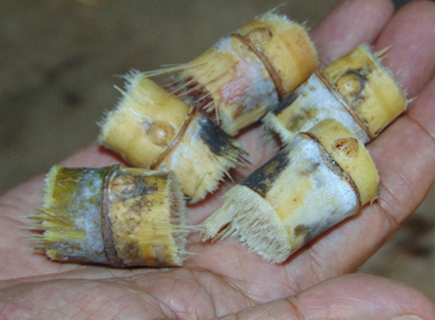
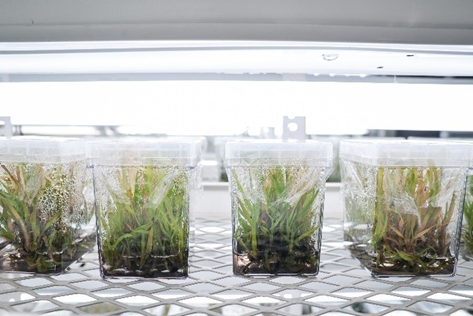
Certified seedcane is produced in an approved nursery that has not been planted with sugarcane before. The initial material may come from hot-water treated setts, single-bud setts, or seedlings/plantlets produced in a laboratory. It follows seedcane regulations, and the grower can harvest and replant it as seedcane twice (the plant crop and the first ratoon), after which it becomes cane that should be harvested and delivered to the mill.

2. Approved Seedcane
This is seedcane that is taken from fields that were previously certified and that has passed all the required seedcane stages. The grower may harvest it and replant it as seedcane twice (the plant crop and the first ratoon), after which it becomes cane that should be harvested and delivered to the mill.
Seedcane Regulations and Certification
- Certified seedcane: the field must lie fallow for 12 months and be free of sugarcane for 6 months before planting.
- Approved seedcane: the field must lie fallow for 9 months and be free of sugarcane for 6 months before planting.
Mandatory Inspections
- First inspection: Each row is inspected, checking for unplanted cane varieties such as volunteers and off-types. At this stage, the crop is three months old.
- Second inspection: The crop is inspected for diseases and pests, including smut and others. At this stage, it is six months old.
- Final inspection: The crop is inspected for Mosaic. If it is found to be free of the disease, it is officially approved and may be sold during that season. This means that, every year, seedcane must follow these procedures to be approved by the LPC&VCC.
Guidelines in Preparation for 2028
Growers must be familiar with their local LPD&VCC officers. This will ensure access to accurate information regarding approved sugarcane varieties and the traceability of seedcane origin.
All regions are implementing operational plans to ensure the success of this policy. These plans include standard sugarcane production methods that every grower must follow to ensure the use of high-quality, tested, and approved seedcane certified by the LPD&VCC.
For more information on local implementation plans, please contact your sugarcane Extension Specialist.
Benefits of high-quality seedcane
- It is free of diseases and pests
- It germinates better and produces good yields
- The grower can sell it to other growers
- The grower can plant different sugarcane varieties
- It has better ratoonablility