


16th March 2026
Although the Recoverable Value (RV) cane payment formula penalises growers for non-sucrose and fibre in the cane, it is important to remember that more than 90% of RV comes from sucrose. Therefore, growers still need to take every possible measure to maximise sucrose production per hectare.
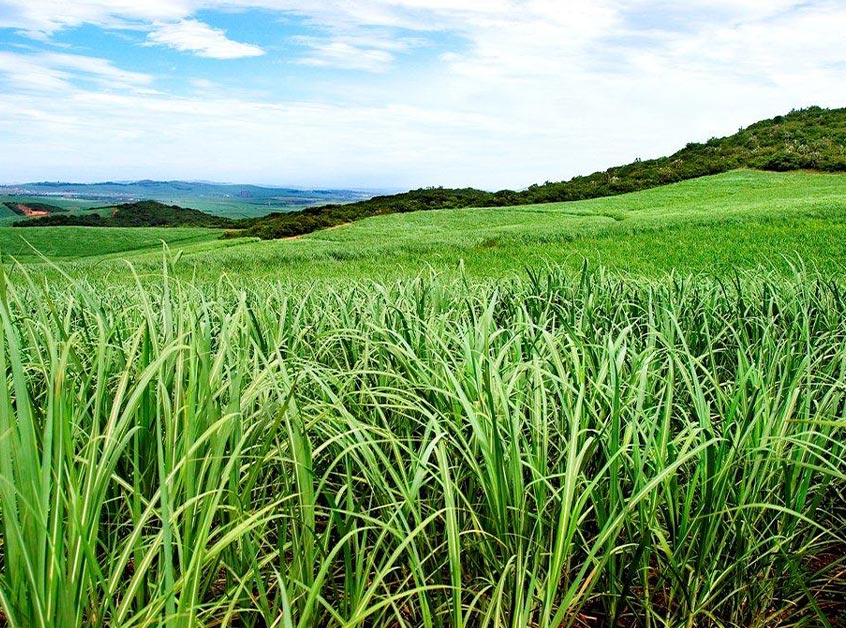
Maximising cane yield and quality starts in the field. Well-grown cane depends on careful management of:
- Soil health
- Variety choice
- Quality of seedcane
- Land preparation and planting
- Weed control
- Fertiliser application
- Pest and disease control
When planning the harvest, growers should follow three simple principles:
- Harvest Mature Cane
Cane should be harvested at the correct age and at the appropriate time of the season for the variety. Applying ripeners and practising proper drying off are also important. The SASRI PurEst app can help with ripener decisions in assessing the relative maturity of fields, allowing the most mature crops to be prioritised for harvest. - Deliver Clean Cane
Cane should be as clean as possible, with minimal extraneous matter such as dried leaves, tops, roots, and soil. Accurate base cutting is important to ensure the high-value, sucrose-rich lower stalk is delivered to the mill. - Deliver Fresh Cane
Cane begins to deteriorate rapidly beyond 48 hours after burning. Growers should aim to deliver cane within this period to preserve quality.
Applying these three principles—mature, clean, and fresh—during harvesting will help maximise returns and minimise losses under the RV cane payment formula.