

Dr Iona Basdew (SASRI Biosecurity Scientist)
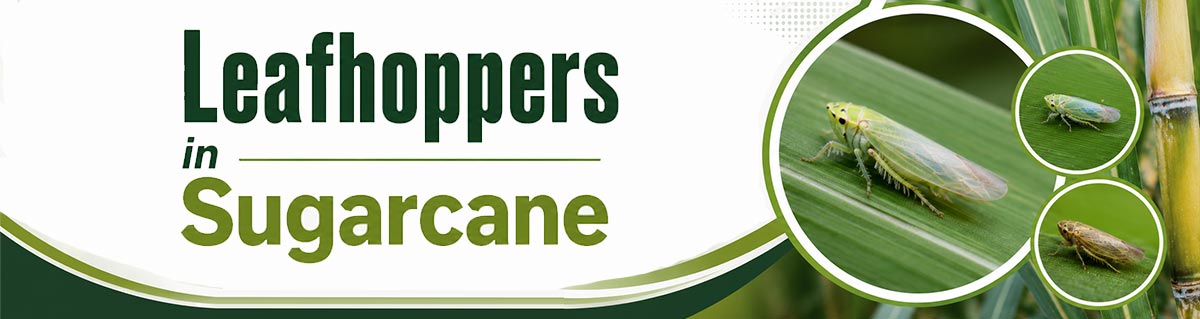
Leafhoppers are small, wedge-shaped insects that feed by sucking sap from sugarcane leaves. They are usually green, yellow or brown in colour and can move quickly by jumping or flying when disturbed. While they are not generally regarded as major pests of sugarcane in South Africa, populations can occasionally build up and cause noticeable damage, particularly when environmental conditions favour their development. The most prominent species found on cane is Perkinsiella saccharicida Kirkaldy.
What damage do leafhoppers cause?
Leafhoppers feed on plant sap causing small feeding lesions. As feeding increases, leaves may develop:
- Yellow or pale streaks and patches
- Leaf tip burn or browning
- Red blotches where eggs have been laid
- Reduced leaf vigour and greenness
- General plant stress under severe infestations
- Sooty mould, a fungus that grows on the sticky secretions (honeydew) from the leaf hoppers, may form a black coating on the leaves following severe infestations.
Heavy infestations can reduce photosynthetic activity, resulting in slower growth and reduced cane vigour. Young cane is often more susceptible than mature crops.
In addition to leaf damage, this insect is a known vector of the viral disease known as Fiji leaf gall and is therefore a potentially serious pest. Fortunately, through efficient quarantine procedures, this disease is currently not present in our industry.
What conditions favour leafhopper outbreaks?
Leafhopper populations tend to increase under:
- Warm temperatures (23°C – 28°C)
- Dry conditions and moisture stress
- Dense crop canopies
- Reduced natural enemy activity
- Extended periods without significant rainfall.
Drought-stressed cane is often more vulnerable because the plants are already under pressure and less able to tolerate feeding damage.
Monitoring
Growers should regularly inspect the undersides of leaves and the leaf whorl for signs of leafhoppers, particularly during warm, dry periods. Sudden movement of small insects when leaves are disturbed is often the first indication that populations are increasing.
Management
Effective management relies primarily on maintaining healthy, vigorous cane and encouraging natural biological control.
Recommended practices include:
- Maintaining good crop nutrition and soil health.
- Avoiding unnecessary plant stress.
- Conserving beneficial insects such as spiders, predatory bugs and parasitoids.
- Monitoring fields regularly during high-risk periods (drought particularly).
- Managing grasses such as paspalum that may serve as alternative hosts.
In most situations, natural enemies help keep leafhopper populations below damaging levels.
There are currently no insecticides registered for use against leafhoppers on cane in South Africa. Good crop management, regular monitoring and the conservation of beneficial insects remain the most effective long-term management strategies.