

RD&E Topics
Sugarcane Yellow Leaf
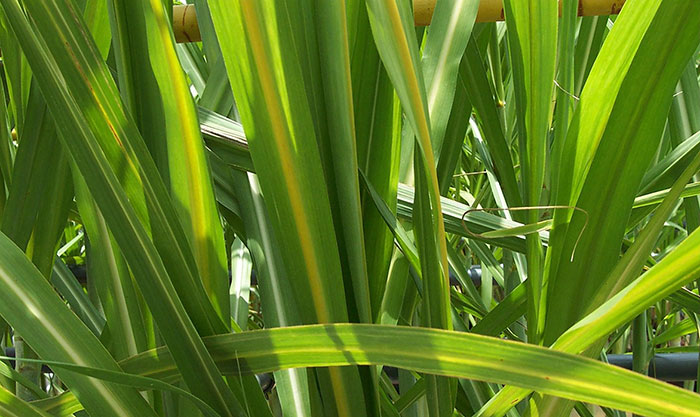
Sugarcane yellow leaf virus (SCYLV), the causal agent of yellow leaf has been found in over 30 countries. The yield loss due to the virus can exceed 20% in susceptible varieties. The virus is not eliminated through standard hot water treatment. The elimination of the virus for seedcane production depends on accurate virus identification and elimination methods. A highly accurate and repeatable molecular biology technique for virus identification and quantification was recently developed by SASRI researchers. This method now allows accurate testing of various virus elimination strategies. This research supports efforts to propagate sugarcane that is free from yellow leaf.
Chemical Ripening in the Midlands
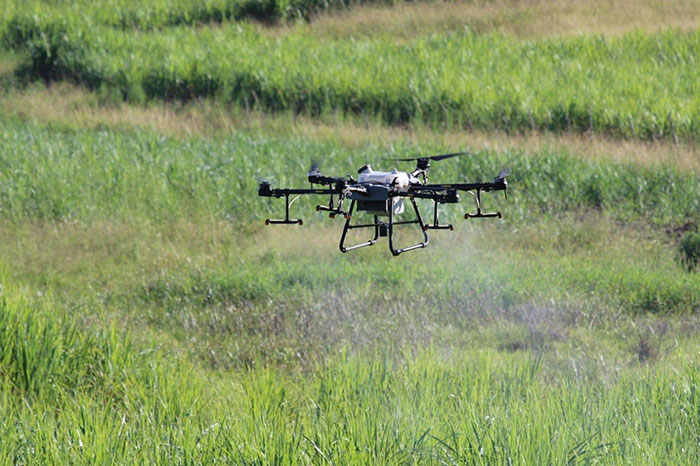
Results from a field experiment at the SASRI–Bruynshill research station revealed the economic benefits from ripening in three ratoon crops harvested in the early season at an age of 18 months. Economic analysis revealed that most of the ripener treatments were profitable. The varieties that responded the best to chemical ripening were N52 and N54. The most profitable treatment in these two varieties was the Moddus® + Fusilade Forte® combination treatment with gross margins of R14,557/ha (N52) and R11,357/ha (N54) higher than the untreated controls.
Weed Management with GM Sugarcane
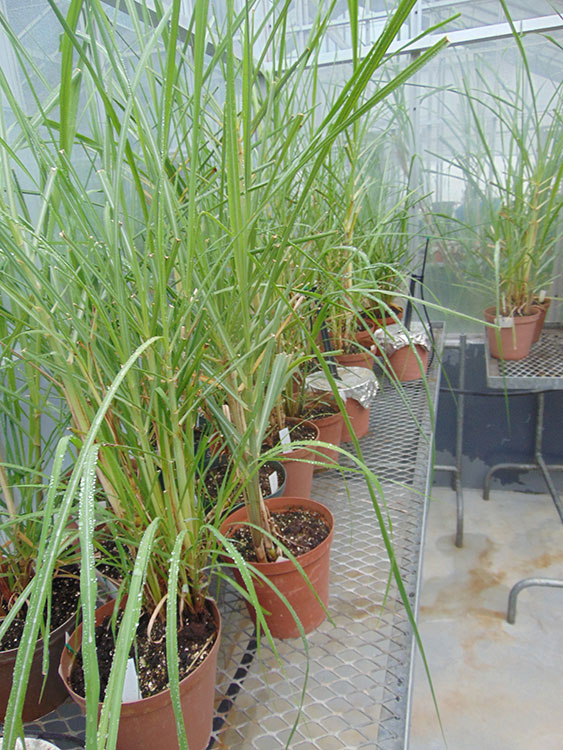
Genetically modified (GM) sugarcane plants expressing the modified sugarcane acetolactate synthase (mALS) gene were screened for tolerance to the herbicidal active ingredient, imazapyr. Selected GM plants showed good germination and minimal growth inhibition in a pot trial in a contained facility where the herbicide was applied to soil at planting. In contrast, the N71 non-GM control suffered severe growth stunting in the same treatment. The trial further demonstrated that imazapyr is highly effective in suppressing weeds, with treated pots remaining weed-free for several months after treatment. These findings confirm the efficacy of imazapyr and the potential of GM sugarcane for improved weed management.