


Ruth Rhodes (Extension Specialist, Zululand South) and Jan Erasmus (Extension Specialist, Malelane)
15th January 2026
The new year is upon us! This is a season for planning, programming and preparing for the harvest season ahead; start to think about your harvest schedule and which fields need to be cut first.
- Check carryover fields for eldana; consider spraying to tide your fields over to harvest.
- Finish your smut roguing.
- Identify and kill your fields due for replant in spring.
Hail Damage
- Some parts of the industry have had severe hail storms this summer. Sugarcane’s ability to recover from hail damage depends on its age, amongst other factors. In addition, decisions need to be made as to whether fertiliser should be re-applied after a severe hail storm. See the article on Hail Damage in this edition of The Link for more information.

Programme Planning
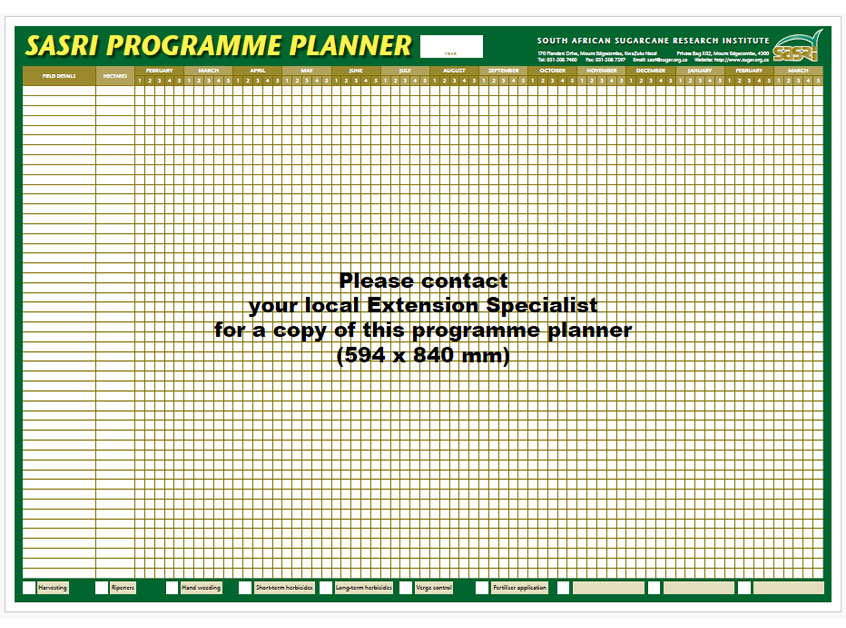
- Programme planning is essential for efficient farming. Start planning now well before the new season starts. Have you prepared your harvesting and replant programmes? Do you have enough seedcane in the pipeline to cover your replanting programme?
Ploughout and Planting
- If you are still planting, be sure that the seed you are using has been tested for RSD. Ask your local Biosecurity team to assist.
- Any fields which you will be planting in spring 2026 should already have been sprayed out so that you can have a 6-month fallow without any cane in the soil. If your plough-out field was RSD-positive, it should have a fallow of at least 9-12 months after the last volunteer has been removed.
Training
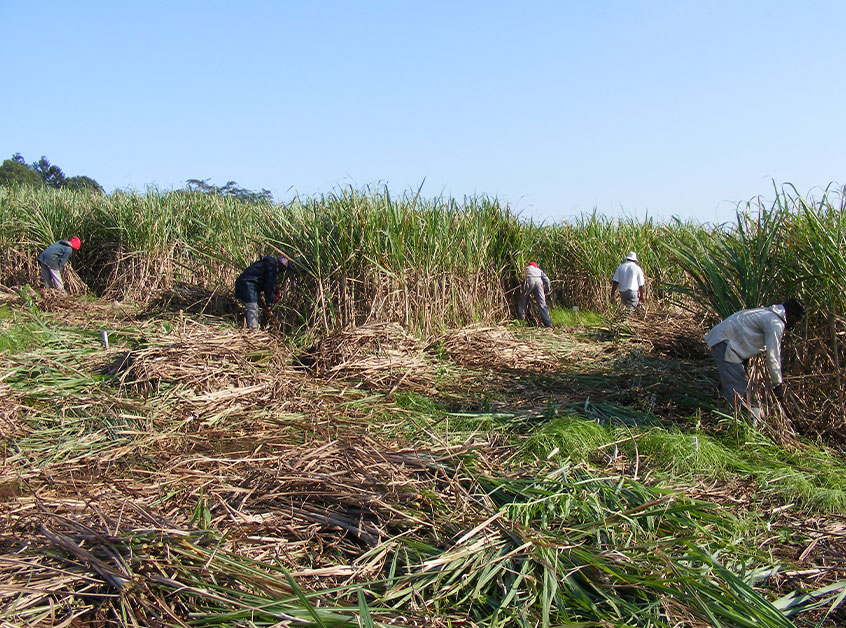
- Take advantage of the quieter months by ensuring that your staff training is up to date. Tractor driver, chemical spray operator and SHE rep training are just a few of the courses provided by the Shukela Training Centre – contact them via the contact details on their website (www.shukelatrainingcentre.co.za).
Leaf sampling
- Leaf sampling is an excellent way to determine nutritional status of the crop including nitrogen, and to check for any deficiencies that need correction.
- Take leaf samples in fields 4-7 months of age (depending on your area) if growing conditions have been favourable. See the article on Leaf sampling in this edition of The Link for more information.

Weed Control
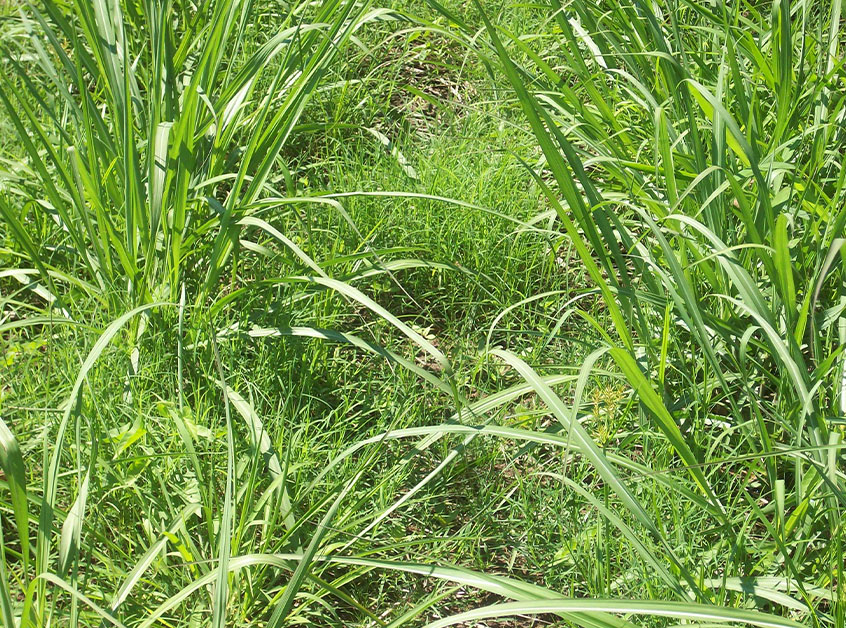
- January is one of the best months for crop growth. Make sure that the advantages are not lost due to weed competition.
- Manage creeping grasses all year-round to prevent spread from verges into your fields.
Ripening
- Now is the time to consider chemical ripeners for fields to be harvested first in the season. Be sure to use the PurEST® app to assist with your ripening programme.

Pests & Diseases
- Diseases: Finish up your roguing of smut and off-types before the cane gets too big for easy access.
- Eldana:
- Your local Biosecurity team will start eldana surveys soon. Make sure that your carryover fields are inspected by them (or your own staff), to see which are worst affected and should therefore be harvested first at the start of the season.
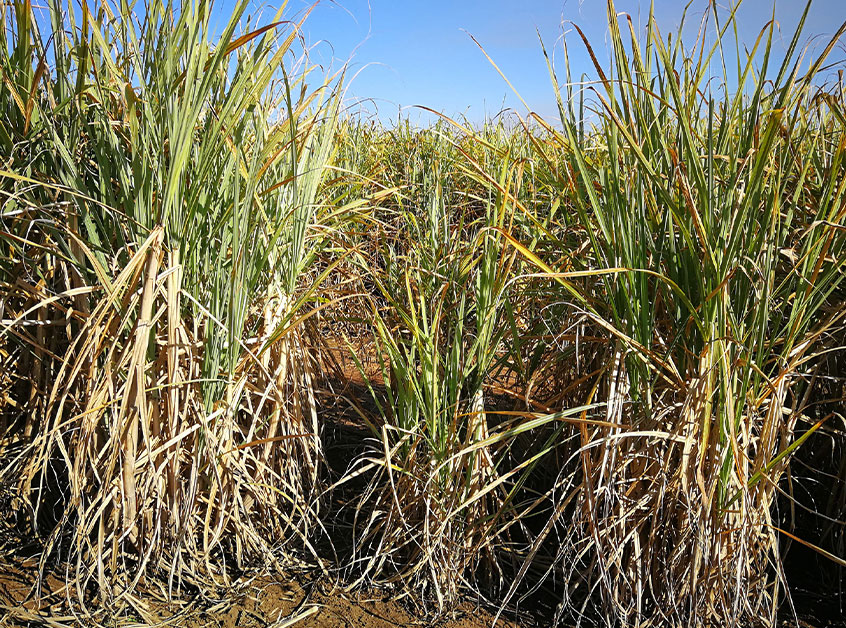
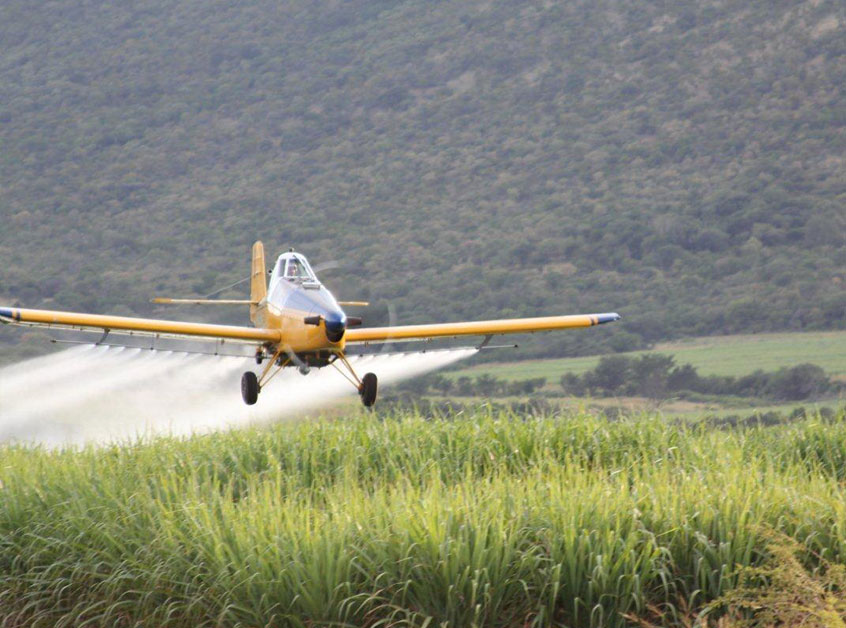
- The second eldana moth peak will begin from late February and last through to May. It may be worth spraying your carryover fields to give 60 days of protection until harvest. Consult your survey results to help with these decisions.
- Unplanned (forced) carryover fields may be most at risk; be sure to have these fields inspected for eldana and spray if needs be, especially if there is a history of high infestation.