



Ruth Rhodes (Extension Specialist, Zululand South) and Jan Erasmus (Extension Specialist, Malelane)
16th March 2026
Most mills will be opening soon; this period offers a chance to make final plans and preparations for the season ahead.
Tips for March and April
- Eldana sprays should commence during this period.
- Test your early-harvest fields using PurEst® before applying chemical ripeners.
- Make sure that your spring replant fields are clean of volunteers; take soil samples from all replant fields.

Pests and Diseases
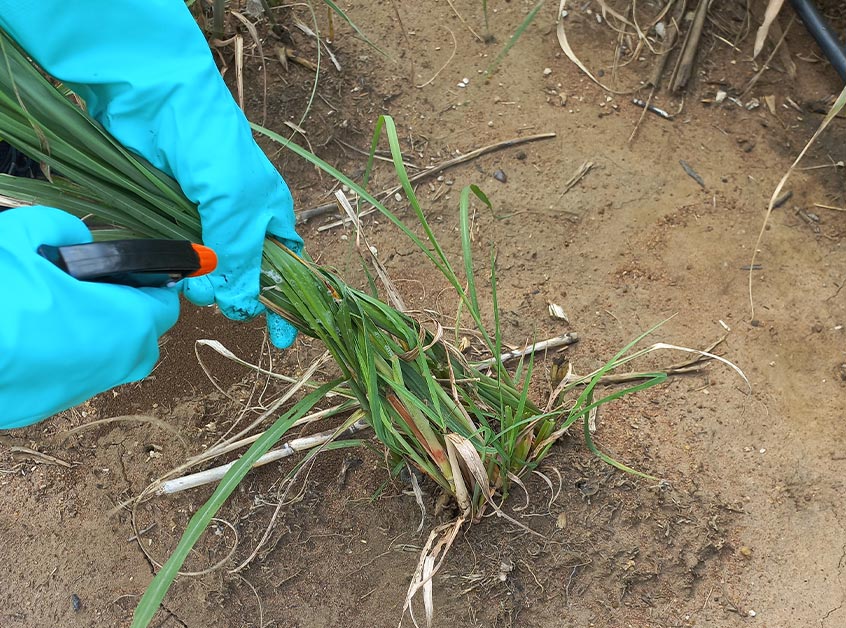
- You may be finishing up your smut roguing now. Consider chemical roguing, which is more labour-efficient than traditional manual roguing. Watch this short ‘how-to’ video on YouTube: Chemical Roguing for Smut Control
- Eldana sprays will have started in earnest in many regions. Use your eldana survey results from your local Biosecurity team to help to prioritise fields; contact your local Biosecurity Officer to request an extra inspection if needs be.
Ripening
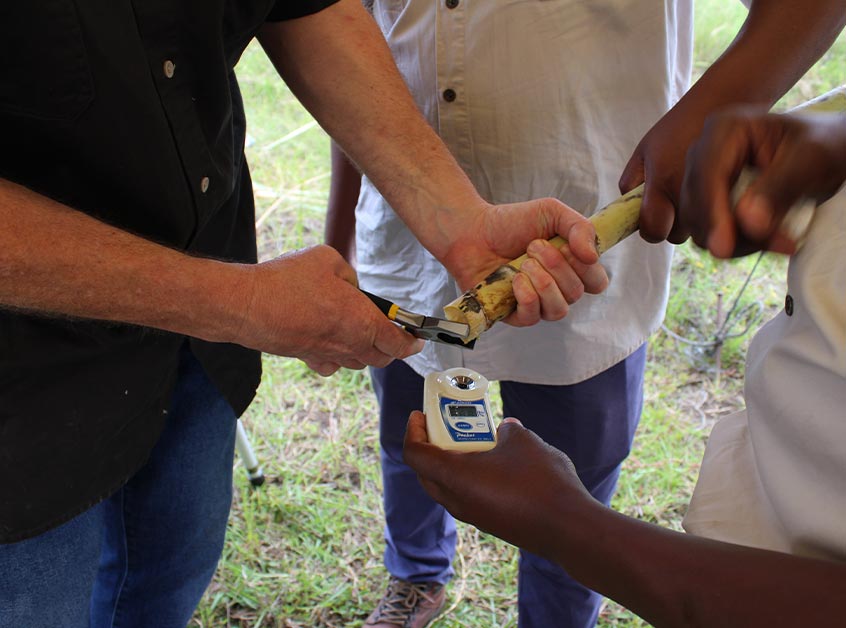
- The hot, dry conditions over much of the industry in January and February may have caused natural ripening, reducing the benefit of applying chemical ripeners. Be sure to test any potential fields with a refractometer and PurEst® before ripening.
- In Mpumalanga, recent heavy rainfall may have created atypical ripening conditions. As a general principle, ripeners are not recommended on stressed cane, and waterlogging itself constitutes a natural stress factor. Once excess water has drained, the soil profile has dried, and the crop recovered, the field can be re-assessed to determine whether ripener application is appropriate, especially if harvesting is delayed.
- Harvest ripened cane when fully mature. Optimal spray-to-harvest intervals, to achieve peak maturity, vary between seasons and varieties, but the practical (rule-of-thumb) recommendation is to stick to recommended spray to harvest intervals as far as possible. Refractometer testing shortly before harvest remains the best test from a precision cane quality management perspective to see if peak maturity has been achieved.

Planning and Preparations
- With the new season about to begin, you should now have a comprehensive operations programme for the ensuing year.
- Plan to start the crop with good cane quality. Good trashing and topping will help in this respect, with minimum delays between cut and crush. Remember the golden rule to win under the RV payment system: Deliver cane that is MATURE, FRESH and CLEAN. See full article on “What influences cane quality” in this edition of the Link.
- The fields planned for plough-out and those with high eldana numbers, should be cut first.
- Be sure to maintain good contact with your SASRI Extension Specialist; they are there to assist!
Planting, now and in spring
- If you are still planting now, seedcane treatment with a fungicide is strongly recommended to ensure good germination by preventing pineapple disease. Also consider using either water or filter cake in the furrow to aid germination.
- Ideally, your spring-replant fields should be free from volunteers already; if they are not yet, March is the last month in which you can use glyphosate effectively for killing cane for minimum tillage planting.
- If you grow cane in a frost-prone area, plant in March; April is too late.
Soil sampling
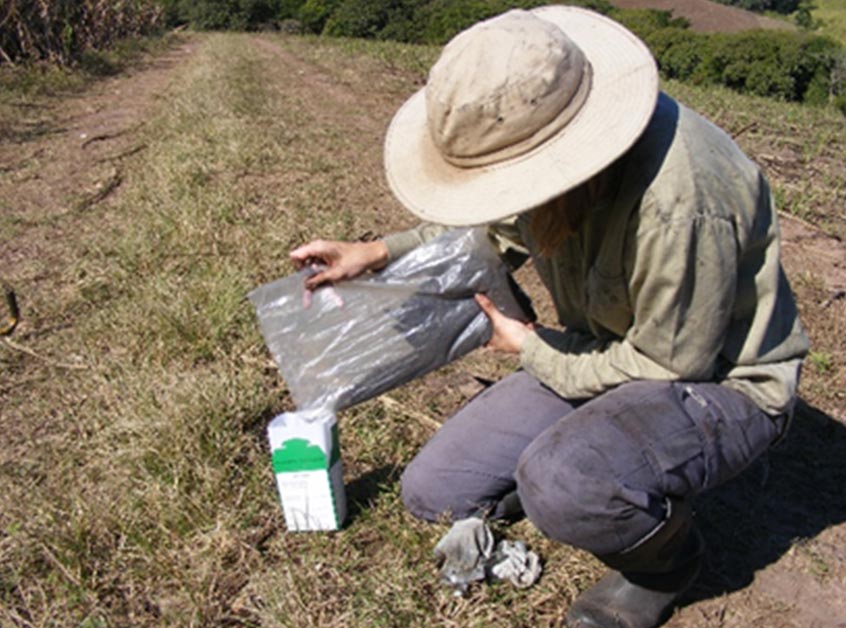
- Efficient production means fertilising your crop with exactly what it needs and no more. Use SASRI’s Fertiliser Advisory Service (FAS) in all fields to be replanted. Soil samples can be collected at any time of the year and are especially important in the plant crop. See full article on SASRI’s FAS service in this edition of the Link.
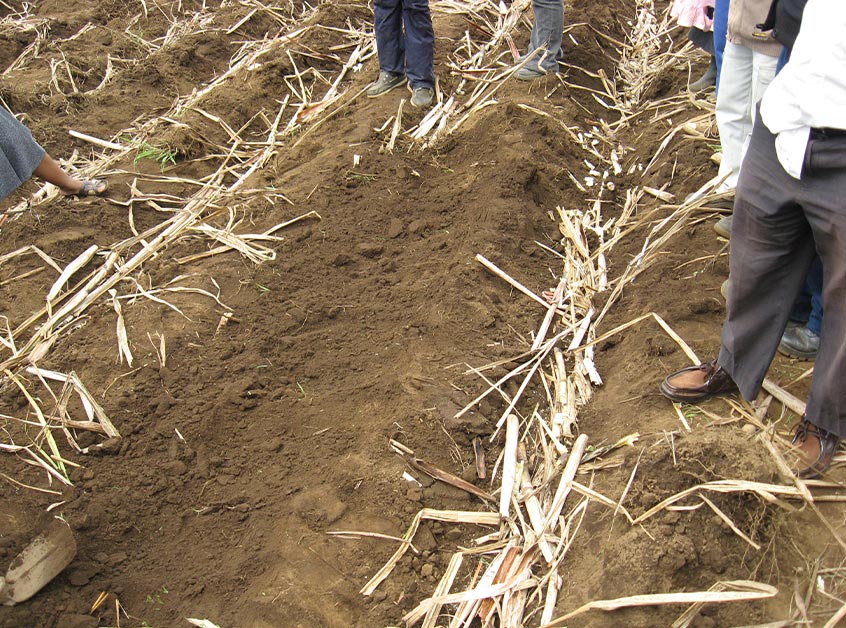
- Sample all your replant fields to depth; sample in 20 cm increments in rainfed areas, and 30 cm in irrigated areas where salinity or sodicity may be an issue.
General
- This ‘quieter’ period of the year before most mills open, is an ideal time to book staff training: Health & Safety rep, tractor driver and chemical application training is useful and important. The Shukela Training Centre offers a wealth of courses to train farm supervisors, drivers and general staff. Visit https://sasa.org.za/shukela-training-centre/ for bookings.
- Growers in all areas will benefit from completing their SUSFARMS® self-audits for the year ending February 2026.