



Ruth Rhodes (Extension Specialist, Zululand South) and Jan Erasmus (Extension Specialist, Malelane)
15th July 2026
The winter months are a time to reap the harvest of your hard work in the past season. While the weeds give you a short break, use these months to prepare for spring planting, and maintain roads and soil conservation structures.
Top Tips for July and August
- Lime and gypsum application and land prep, including ploughing and harrowing, should start to get under way for spring plantings.
- Remember to take soil samples from your harvested fields, and to sample all replant fields to depth.
- Pay attention to keeping cane knives clean at the harvest front, to minimise the spread of RSD. Read Information sheet 9.1 for more information on RSD control.
Pests and Diseases
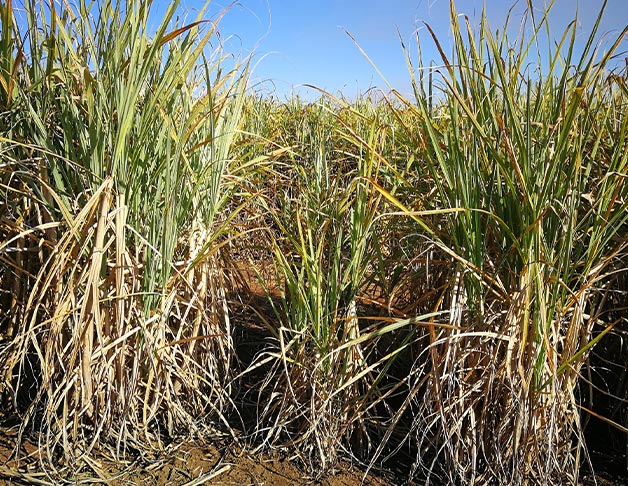
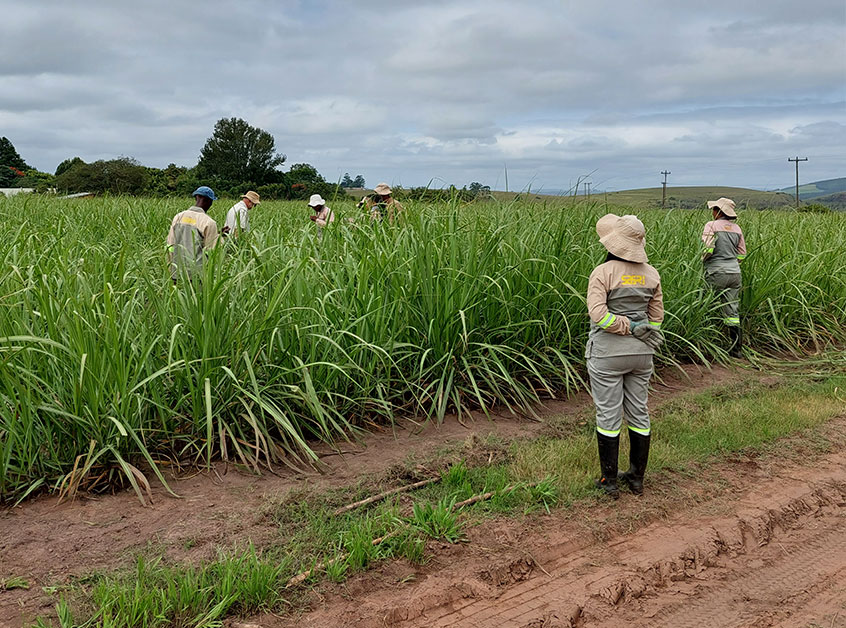
- Scout through your potential carryover fields for next year, for eldana. If necessary, be ready to spray in the next moth peak (September to November).
- Keep an eye out for brown rust and early signs of tawny rust in spring. Fields that have struggled with moderate to severe outbreaks in the past may benefit from timely fungicide applications.
- Nematodes are generally a problem on weak coastal sands with less than 10% clay. Treatment with a nematicide can be economically rewarding.
Fertiliser application
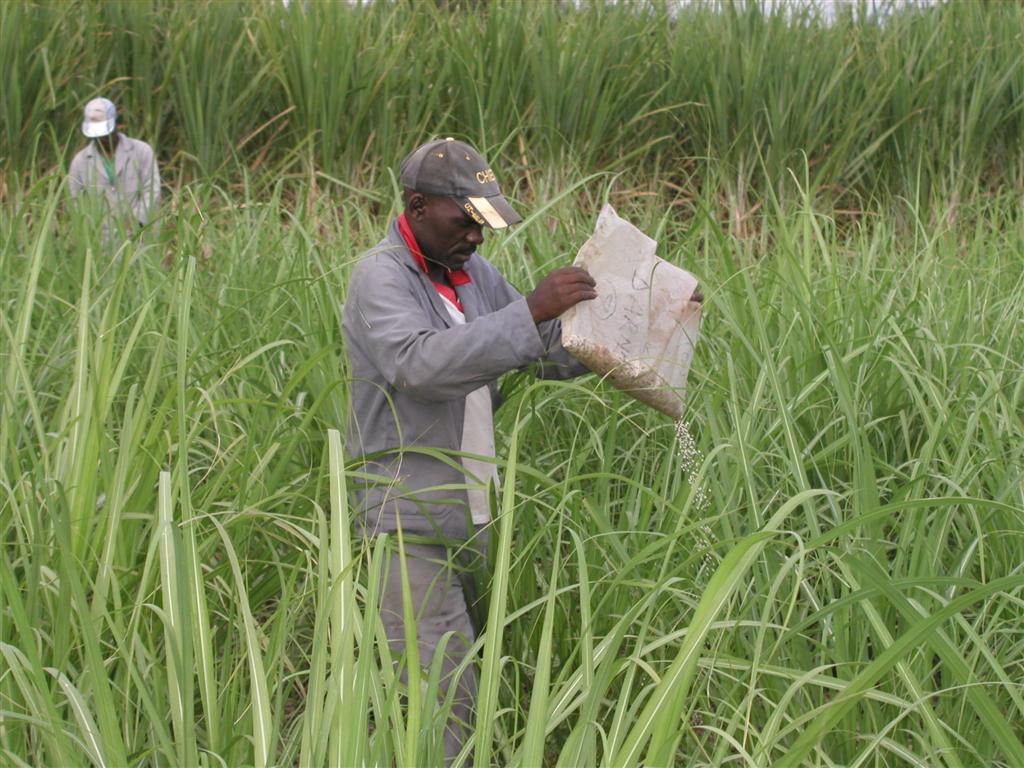
- Your fertilising programme should start in earnest from August onwards, following good spring rains. Ensure now that you will have the necessary types and amounts of fertiliser ready to apply and that your equipment is calibrated.
- To this end, soil samples can start to be collected after the fields have been harvested.
- Filtercake can be valuable if you are close to the mill. Apply it to fields where phosphorus (P) is low or where a fine tilth is difficult to obtain e.g. in heavy clay soils.
- LAN-based fertilisers, or coated/treated urea products, are a good choice for use early in the season when the risk of volatilisation of nitrogen (N) is at its greatest.
- Consider the advantages of split applications of fertiliser on soils that are poorly drained.
- Applying N by fertigation is not advised after month 6 on short crop cycles in the Irrigated North due to potential negative quality and eldana effects.
Replant fields
- This is the time to eradicate volunteer plants in your fallow fields. Ensure that all volunteers are hoed out or spot sprayed with glyphosate before planting, but do not prepare tilth until you are ready to plant.
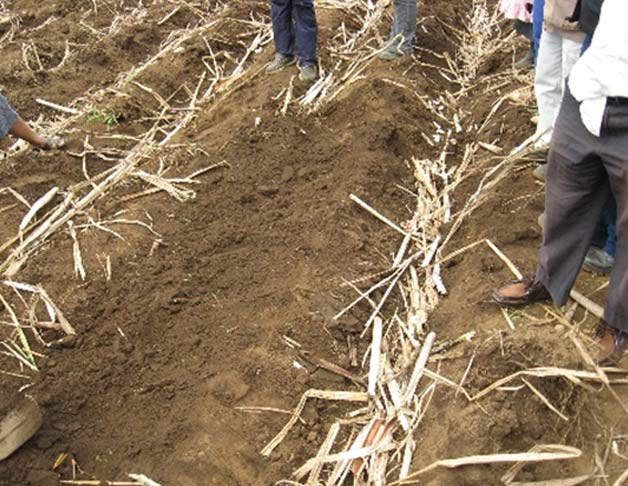
- Winter green manure crops will need to be managed before field prep can begin. Speak with your extension specialist about whether to flatten, chop, incorporate or leave them standing, before tilling the soil or drawing furrows.
- Planting should follow the spring rains. If you are planting into dry soil, then ‘water planting’ is an option: consider applying 2 to 3 litres water per metre of row just before closing the furrow to ensure good root development. Apply a fungicide to prevent pineapple sett rot.
- In areas where mosaic is a problem, planting of mosaic-prone varieties should start as early as possible during spring and ideally be completed by mid-October.
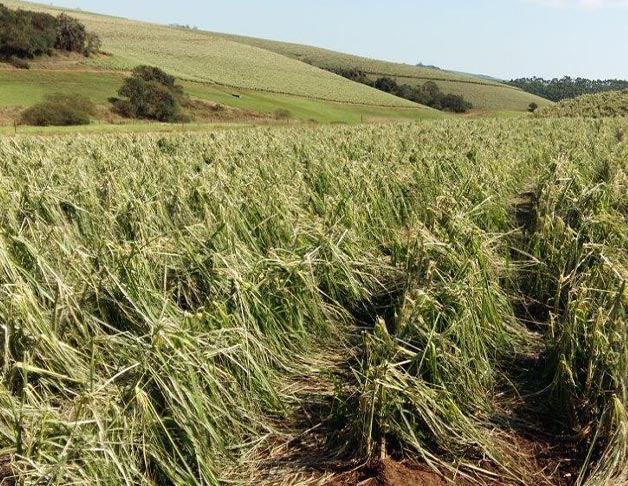
Hail Damage
- Hail damage has been an issue in some parts of the industry recently. Cut open stalks to check for dead growth points or reddening within the stalk. Contact your extension specialist or biosecurity team to assist with decision-making if needs be.
General
- Conservation structures and waterways will work only if they are satisfactorily maintained. Check yours now so that you can face the rainy season with confidence.
- Weeds will respond to the warmer weather ahead. Arrange to have your herbicide team trained to operate efficiently and to use the chemicals safely and at the correct rate. Contact SASRI for the SCC or the Shukela Training Centre for the JCC to enquire about booking your spot.
- Chemicals cost money. Be sure that your fertiliser distributor, herbicide spray boom, knapsacks, and your nematicide distributor, are all correctly set after calibration